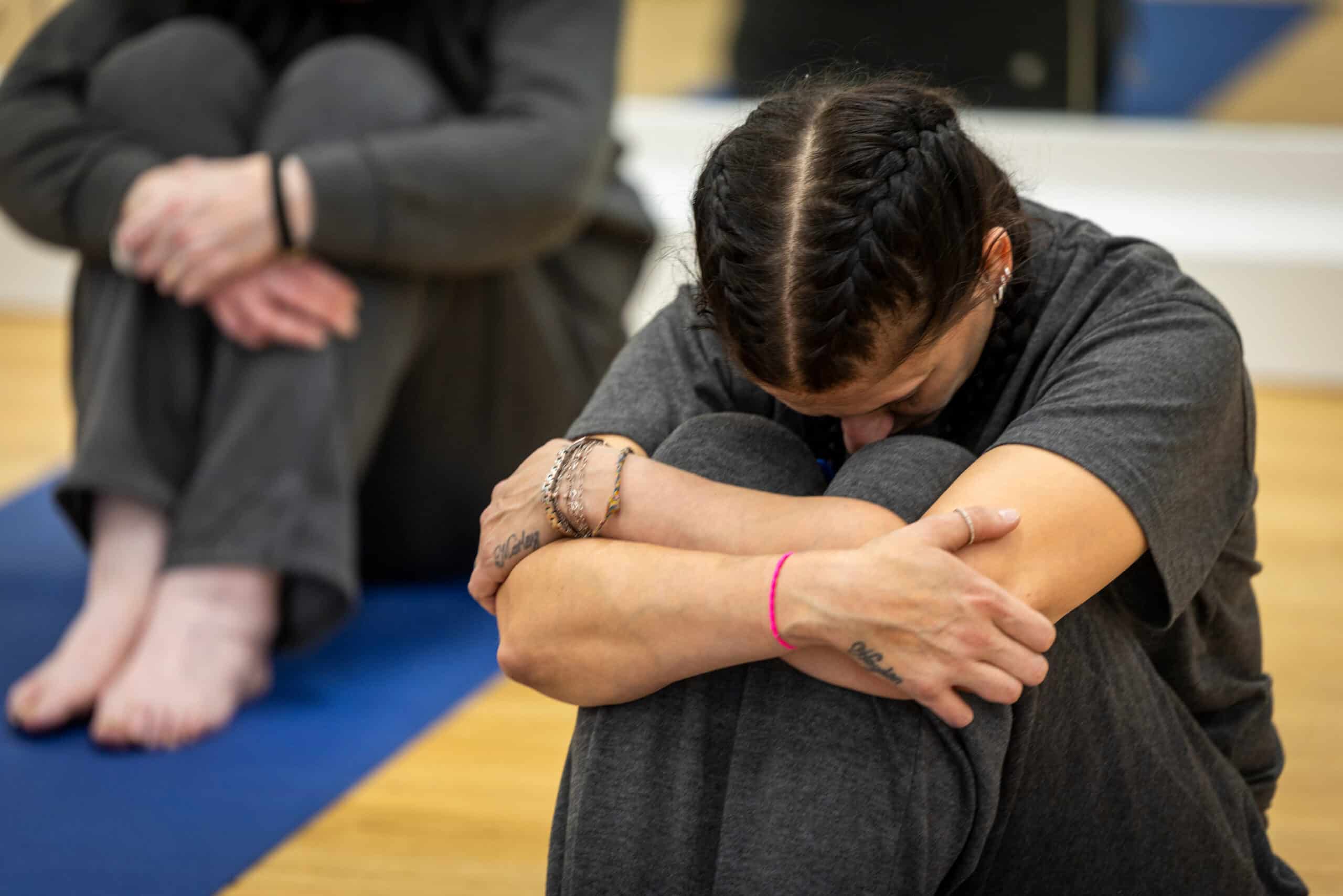
Halcrow Foundation is funding a new three-year project with Prison Phoenix Trust to support 300 women in prisons across the UK.
We’ve supported Prison Phoenix Trust (PPT) since 2018, funding projects that support young offenders. This latest project focuses on the challenges faced by women in prison, many of whom have experienced significant trauma before entering the criminal justice system. By providing trauma-informed yoga, meditation, mentoring and peer support, the project aims to strengthen mental wellbeing and give women the tools to build a better life outside of prison.
According to the charity Women in Prison, women’s offending behaviour is often linked to addiction, poor mental health and the long-term effects of abuse. A high number have experienced domestic abuse, spent time in care or witnessed violence during childhood. Research shows 82% of women in prison report mental health problems, while rates of self-harm are nine times higher than in male prisons.
Building support
As part of the project, women will receive practical resource packs containing yoga and meditation exercises that can be safely practised within the limited space of a prison cell. PPT will also deliver workshops in two women’s prisons each year and aims to build support so that the prisons can provide regular classes themselves. In addition, trained volunteers will provide one-to-one mentoring, and a quarterly newsletter offers peer support from other women in prison.
Yoga and meditation have been shown to reduce stress and anxiety, and improve concentration and emotional wellbeing. With PPT’s support, women will have better opportunities to build confidence, develop healthy coping strategies and form stronger connections with others.
Hope for the future
Prison Phoenix Trust ambassador Lisa explains how the charity helped her regain hope for the future. “They didn’t speak to the worst thing I’d ever done, they spoke to the budding human being underneath it all. The version of me that had become buried beneath years of trauma, chaos and survival. And little by little, she came back. That is what real rehabilitation looks like. It’s not about fixing broken people, it’s about creating the conditions where people can remember they were never beyond hope in the first place.”
Photo credit: Andy Aitchison (Prison Phoenix Trust)